
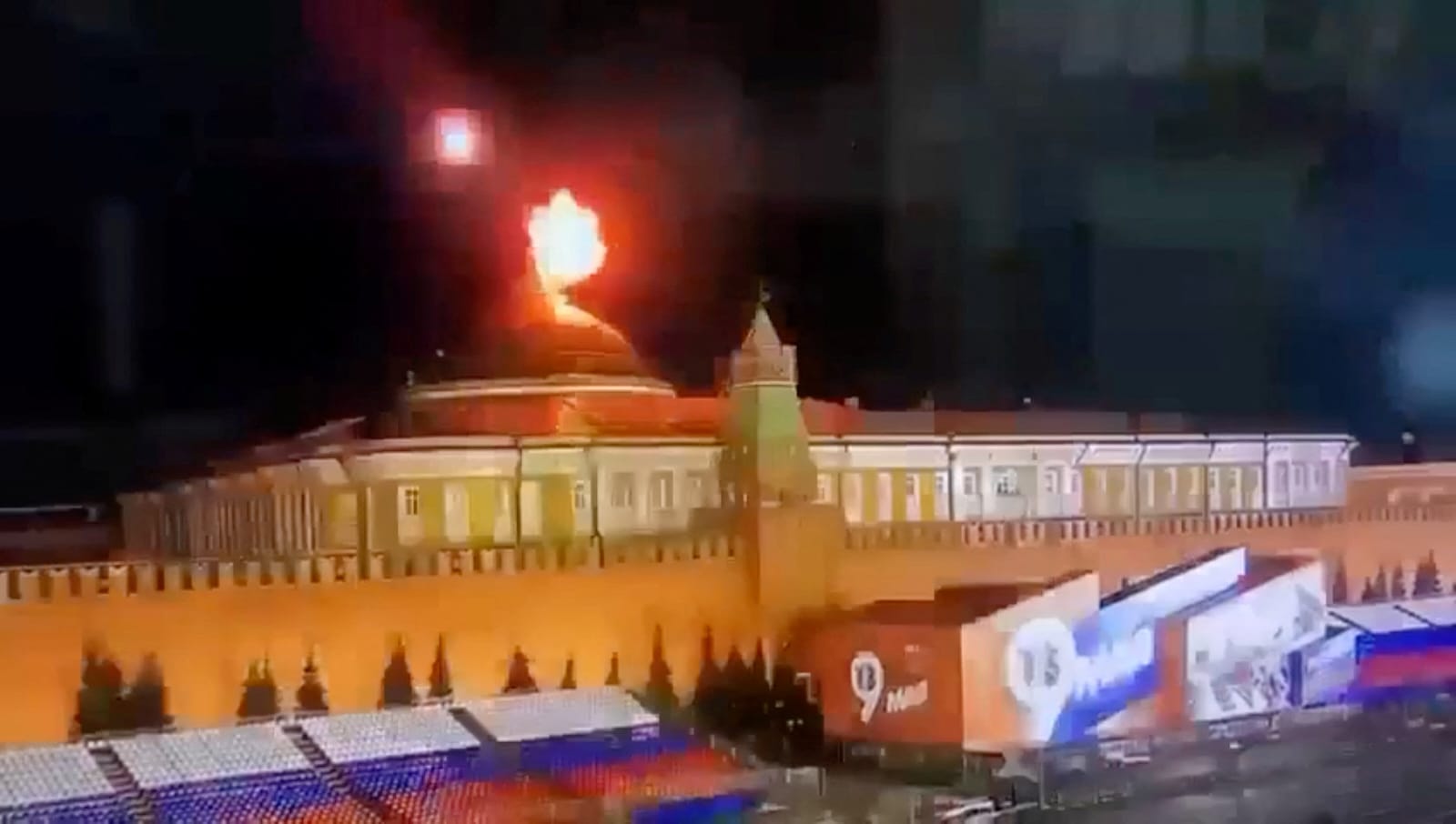
December 31, 2025 — Geopolitical tensions have reached a fever pitch as the year draws to a close, following explosive allegations from the Kremlin that Ukraine launched a massive drone strike targeting President Vladimir Putin’s residence in the Novgorod region.
The incident, which reportedly occurred on the night of December 28–29, has threatened to derail U.S.-led peace negotiations just as they were gaining momentum.
The Allegation: A “State Terrorist” Act
On Monday, Russian Foreign Minister Sergei Lavrov stunned the international community by claiming that 91 long-range drones were launched by Ukrainian forces toward Putin’s Valdai estate. According to Moscow:
- All 91 drones were successfully intercepted by Russian air defenses.
- The Kremlin described the event as an act of “state terrorism” and a “personal attack” on the President.
- Retaliation: Russia has signaled it will now “review” its negotiating position, a move that could freeze current peace efforts.
To bolster these claims, the Russian Defense Ministry released video footage on Wednesday, December 31. The video features Major-General Alexander Romanenkov displaying wreckage of what he identified as a Ukrainian “Chaklun-V” drone, allegedly carrying a 6kg explosive device.
The Denial: “A Cynical Lie”
Ukraine has categorically rejected the accusations. President Volodymyr Zelenskyy branded the claims a “complete fabrication” and a “cynical lie.” Kyiv argues that: - Fabricated Evidence: Ukrainian Foreign Minister Andrii Sybiha noted that Moscow failed to provide plausible evidence for over 24 hours and claimed the video footage was staged.
- Strategic Distraction: Kyiv believes Russia invented the attack to justify upcoming strikes on Ukrainian government buildings and to undermine the progress made during Zelenskyy’s recent meeting with Donald Trump at Mar-a-Lago.
International Reaction & The “Trump Factor”
The timing of the alleged strike—immediately following high-level peace talks—has left Western officials and allies skeptical.
| Entity | Stance / Reaction |
|---|---|
| U.S. (Donald Trump) | Expressed anger during a call with Putin, stating, “It’s not the right time to do any of that,” though he added, “We’ll find out” regarding the evidence. |
| NATO | Ambassador Matthew Whitaker stated it is “unclear whether it actually happened” and is awaiting U.S. intelligence confirmation. |
| European Union | EU Foreign Policy Chief Kaja Kallas dismissed the claims as a “deliberate distraction” from peace efforts. |
| India | Prime Minister Narendra Modi expressed “deep concern” and called for restraint and a return to diplomacy. |
The Peace Process at Risk
The primary casualty of this incident appears to be the fragile peace process. Before the allegations, President Trump had suggested a deal was “95% done.” Now, with Moscow hardening its stance and both sides exchanging bitter accusations, the “buffer zone” and territorial concessions remain major sticking points.
As the world rings in 2026, the question remains: was this a genuine security breach or a masterfully timed “false flag” designed to reset the rules of the negotiation table?