
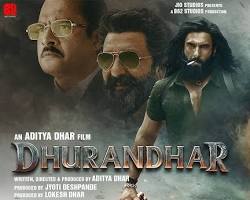
Aditya Dhar’s “Dhurandhar” is not just a film; it is a searingly intense, politically charged, and visually muscular espionage thriller that has sharply divided critics and audiences. While praised for its exceptional performances, high production value, and gripping narrative, it has faced equally strong criticism for its relentless violence, extreme runtime, and overt political messaging.
Here is a breakdown of the critical consensus:
👍 The Highs: Performances and Technical Brilliance
Akshaye Khanna Steals the Show: The undisputed highlight of the film is Akshaye Khanna as the menacing Karachi crime lord, Rehman Dakait. His performance is universally hailed as a “masterclass” in simmering intensity and psychological weight, often eclipsing the lead. Critics note his “chilling presence and a piercing gaze” that makes him the film’s “gravitational force.”
Ranveer Singh’s Intense Portrayal: Ranveer Singh, as the undercover agent Hamza Ali Mazari, delivers one of his most “controlled, intense, and emotionally layered” performances. He is praised for being “feral, electrifying, and brilliant,” capably anchoring the story of a flawed individual seeking redemption through a perilous mission.
Scale and Style: Director Aditya Dhar (of Uri fame) is lauded for his ambitious vision, stylish direction, and meticulously detailed world-building of the Karachi underworld, particularly the Lyari area. The film is technically superior, with a compelling background score and slick, often brutal, action sequences.
Ensemble Support: The cast, including R. Madhavan (as IB Chief Ajay Sanyal, a character reportedly based on Ajit Doval) and Arjun Rampal, adds significant depth and gravity to the geopolitical conflict.
👎 The Lows: Violence, Politics, and Pacing
Excessive and Gratuitous Violence: The film has earned an “Adults-only” rating and is frequently described as a “techno-jingo gorefest” and “torture porn” due to its unapologetic and explicit depiction of violence and brutality. Many critics found the relentless gore to be a major hurdle.
Runtime and Pacing Issues: At nearly 3.5 hours (214 minutes), the film’s length has been a point of contention. While some critics found the world-building justified the runtime, others felt the pacing suffered, particularly in the first half, which spends too much time on character introductions and setting the stage. Unnecessary elements like a romantic subplot and a song/dance number were flagged as “irritants.”
Overt Nationalism and Politics: The most polarizing aspect is the film’s “unfiltered rage that demands retribution” and its aggressively “anti-Pakistan narrative.” While fans see it as a patriotic tribute to covert heroes, critics accuse the film of resorting to “shrill nationalism” and “overt jingoism,” diluting its powerful core and “dumbing down” its message for the audience. The inclusion of real archival footage in a fictional context has also raised ethical questions.
🎯 The Consensus
“Dhurandhar” is a must-see for fans of high-octane action and geopolitical thrillers who appreciate strong performances and large-scale filmmaking.
However, its narrative choices have created a massive schism. It is a film that demands a response—either through enthusiastic praise for its power or strong censure for its politics. It is a flawed, but undeniably gripping, tribute to India’s shadowy war against terrorism, elevated significantly by the career-defining performances of Ranveer Singh and Akshaye Khanna.