
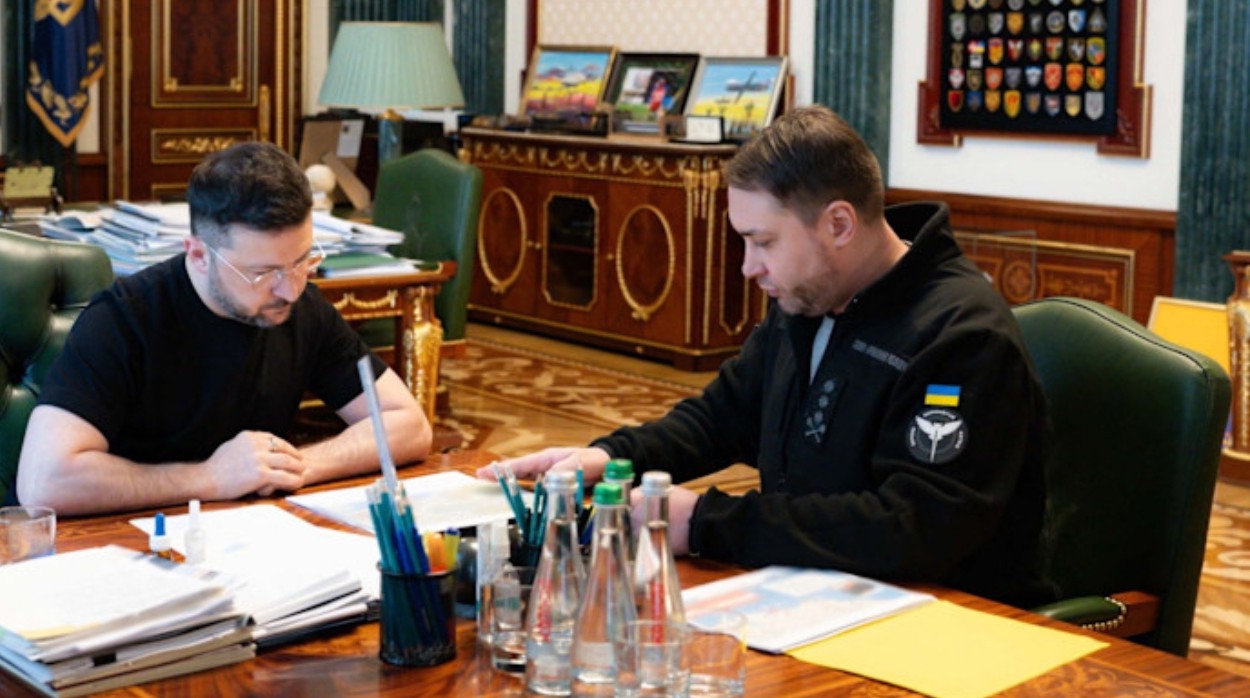
Kyiv | Ukraine has witnessed a significant leadership change, marking a pivotal moment in the country’s political landscape amid ongoing domestic and geopolitical challenges. The development, announced through official channels, is being closely watched both within the country and by the international community.
According to Ukrainian authorities, the leadership change is aimed at strengthening governance, improving coordination across key institutions, and responding more effectively to the pressures created by the prolonged conflict and economic strain. Officials emphasized that continuity of the state’s core policies—particularly those related to national security, democratic reforms, and international partnerships—will be maintained.
Political analysts say the move reflects an effort to recalibrate leadership at a critical juncture. “This change signals a strategic adjustment rather than a sudden shift in direction,” said a Kyiv-based political observer. “Ukraine is seeking to reinforce decision-making and maintain public confidence during a demanding period.”
Opposition figures have called for transparency and parliamentary oversight to ensure stability and accountability, while civil society groups have urged the new leadership to prioritize anti-corruption measures, economic recovery, and social welfare.
International reactions have been swift. Several Western allies reiterated their support for Ukraine’s sovereignty and democratic institutions, expressing hope that the leadership transition would enhance administrative effectiveness and reform momentum. Regional observers are also assessing how the change may influence Ukraine’s diplomatic posture and ongoing negotiations on security and aid.
As Ukraine navigates this transition, the coming weeks are expected to clarify the practical impact of the leadership change on governance, military coordination, and economic policy. For many Ukrainians, the focus remains on stability, resilience, and progress amid continued uncertainty.