
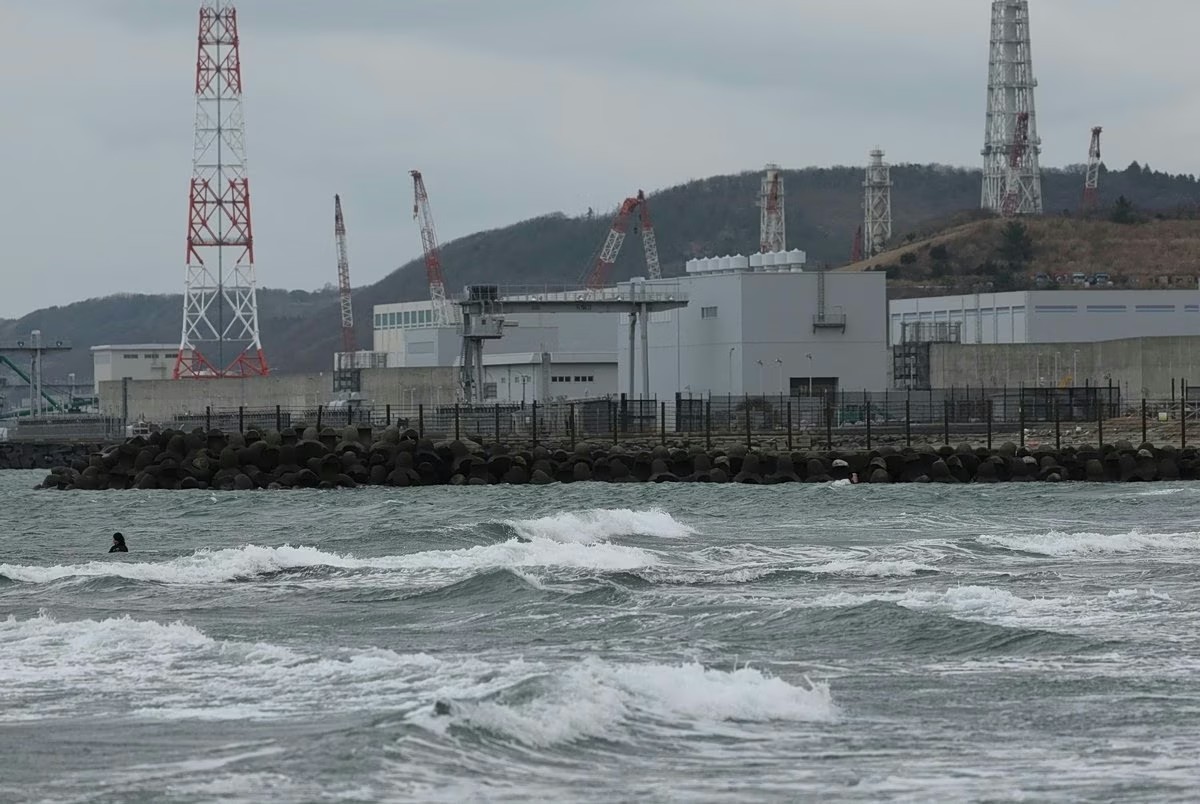
In a decisive shift for global energy policy, Japan took the final legislative step today, Monday, December 22, 2025, to allow the restart of the Kashiwazaki-Kariwa nuclear power station. Located in the Niigata Prefecture, the facility is the largest nuclear power plant in the world by capacity.
The move marks a historic turning point, as this will be the first time Tokyo Electric Power Company (TEPCO)—the operator of the ill-fated Fukushima Daiichi plant—has been permitted to resume nuclear operations since the 2011 triple meltdown.
The Final Approval
The Niigata Prefectural Assembly passed a crucial vote of confidence today in Governor Hideyo Hanazumi, who had signaled his intent to authorize the restart last month.
• The Vote: The assembly speaker confirmed the measure passed with a majority standing vote, effectively removing the last local political hurdle.
• Next Steps: TEPCO is now expected to seek final “pre-use” confirmation from Japan’s Nuclear Regulation Authority (NRA) before the end of the year.
• Target Date: If final safety checks are cleared, Reactor No. 6 is scheduled to go back online as early as January 20, 2026.
Why Kashiwazaki-Kariwa Matters
The plant, situated approximately 220 km (136 miles) northwest of Tokyo, is a massive seven-unit complex with a total capacity of 8,212 megawatts (MW).
| Feature | Detail |
|---|---|
| Total Units | 7 Advanced Boiling Water Reactors |
| Current Focus | Restarting Unit 6 (1,356 MW) |
| Ownership | Tokyo Electric Power Company (TEPCO) |
| Significance | World’s largest nuclear facility by installed capacity |
The “Nuclear Renaissance” Strategy
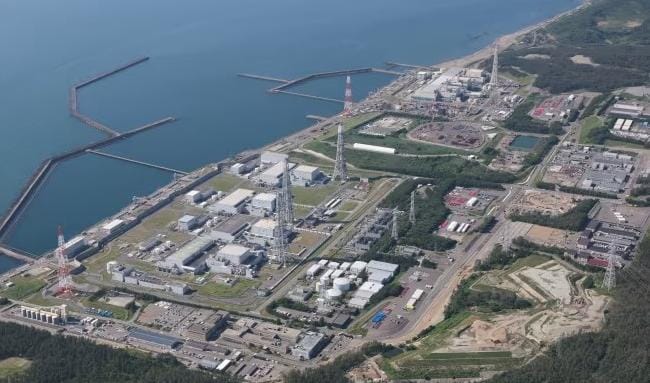
The restart is a cornerstone of Prime Minister Sanae Takaichi’s energy strategy. Since taking office, Takaichi has aggressively backed nuclear power to solve three critical issues:
- Energy Security: Reducing reliance on volatile global markets for liquefied natural gas (LNG) and coal.
- Economic Relief: Curbing the massive $68 billion annual bill Japan pays for fuel imports.
- Climate Goals: Reaching 20% to 22% nuclear in the national energy mix by 2040 to meet carbon neutrality targets.
Public Friction and Protests
Despite the government’s momentum, the decision remains deeply polarizing.
Local Protests: Roughly 300 protesters, including Fukushima evacuees, gathered outside the Niigata assembly today with banners reading “No Nukes” and “Support Fukushima.
“Public Trust: Recent polls show that 60% to 70% of local residents still harbor deep concerns regarding TEPCO’s management and the adequacy of safety protocols.
“Safety Pledges”: TEPCO has invested billions in new seawalls, watertight doors, and filtered vents. Additionally, the company pledged 100 billion yen ($641 million) to the Niigata region over the next decade to bolster local support.
“This is a milestone, but this is not the end. There is no end in terms of ensuring the safety of Niigata residents.” — Governor Hideyo Hanazumi