
What happened
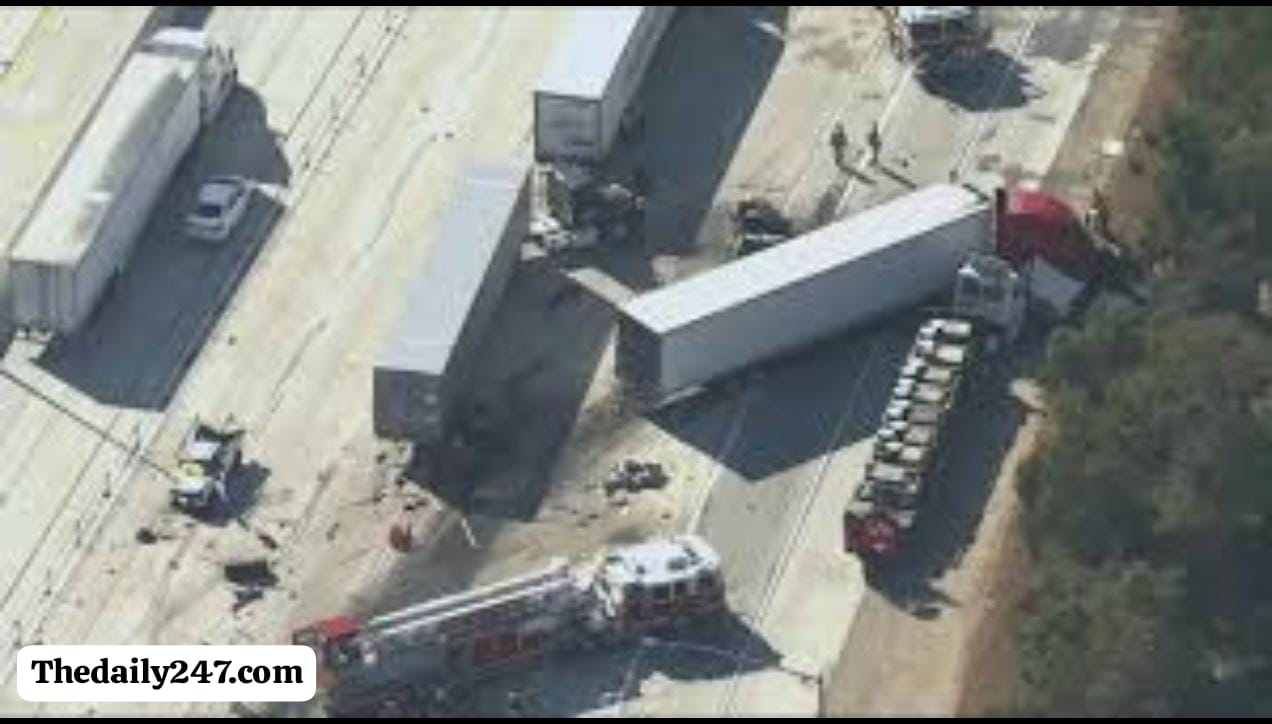
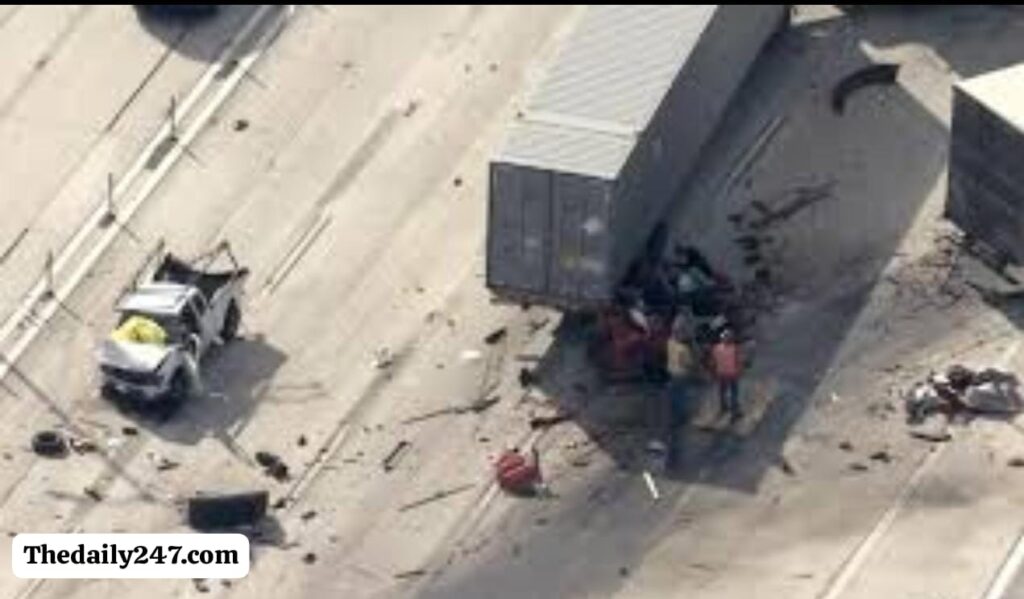
On Tuesday, October 21, 2025, at about 1:10 p.m., a chain-reaction crash occurred on the westbound lanes of the Interstate 10 (I-10) near the interchange with the Interstate 15 (I-15) in the city of Ontario, California (San Bernardino County).
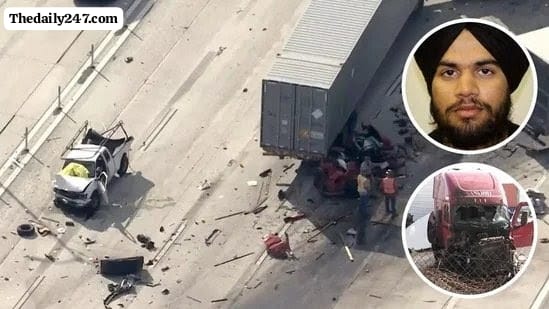
A semi-truck (big rig) failed to brake as traffic ahead had slowed, and it ploughed into the stopped or slow-moving vehicles ahead. Four commercial trucks (semi-trailers), two pickup trucks and two cars were involved.
Three people were killed in the crash; four others were injured and taken to hospital in varying condition.
Who’s being held responsible ?
The driver is a 21-year-old man, Jashanpreet Singh, from Yuba City, California. He was arrested at the scene by the California Highway Patrol (CHP) and is booked on charges including vehicular manslaughter while intoxicated and driving under the influence of drugs.
Toxicology reports indicated Singh was under the influence of drugs at the time of the crash.
Further, federal immigration authorities claim Singh entered the United States illegally in 2022 and did not have lawful status; an arrest detainer has been lodged by the Immigration and Customs Enforcement (ICE).
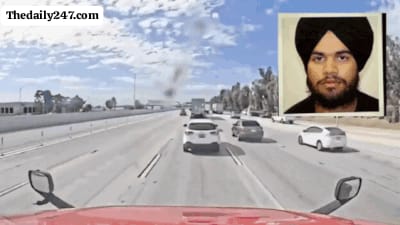
The crash was especially dramatic because dash-cam footage shows the semi-truck driver did not apply the brakes before impact, and drove straight into slowed traffic.
With multiple large commercial vehicles involved, and a fire and fuel spill reported, the accident caused major freeway closures and significant disruption.
The incident has sparked broader scrutiny of trucking safety standards, commercial driver licensing (especially for non-citizens), and immigration enforcement related to the trucking industry.
Impact & fallout
The deaths of three people and injuries to several others are tragic, and the crash highlights risks when a heavy vehicle fails to respond appropriately to traffic conditions.
The accident added pressure on regulators and state/federal authorities to examine how commercial drivers are vetted, licensed and monitored—especially in cases where language proficiency, driver status and licensing requirements come under question.
Among certain communities, this crash raised concerns about backlash against immigrant truck drivers, particularly Sikh truckers of Indian/Punjabi origin, who say they worry about being collectively judged for the actions of an individual.
Politically and administratively, the crash is used as an example in arguments for stricter licensing rules, immigration oversight, and trucking-industry regulation.
Takeaway and lessons
This incident underscores several important considerations:
Driver responsibility & impairment: Regardless of vehicle type, when a driver is impaired (by drugs or alcohol) or fails to respond to traffic conditions, the consequences can be catastrophic.
Commercial truck safety: When large trucks are involved, the margin for error is much smaller. Even a small lapse becomes magnified.
Oversight of commercial licensing: Ensuring that drivers of big rigs have proper certification, are sober, understand road conditions and can react appropriately is vital for public safety.
Traffic flow awareness: Slowdowns and congestion on freeways require attentive driving ahead of all vehicles—including heavy commercial ones. Drivers must anticipate slowing traffic and give themselves time and distance to brake.
Broader systemic issues: While each crash has its immediate cause, this one is intertwined with concerns around immigration status, state licensing practices, language proficiency for truckers, and the regulatory environment.
Community implications: Beyond the immediate victims, the accident has ripple effects—on families, on the trucking community, on public perception—and those are also important to consider for both policy and human impact.